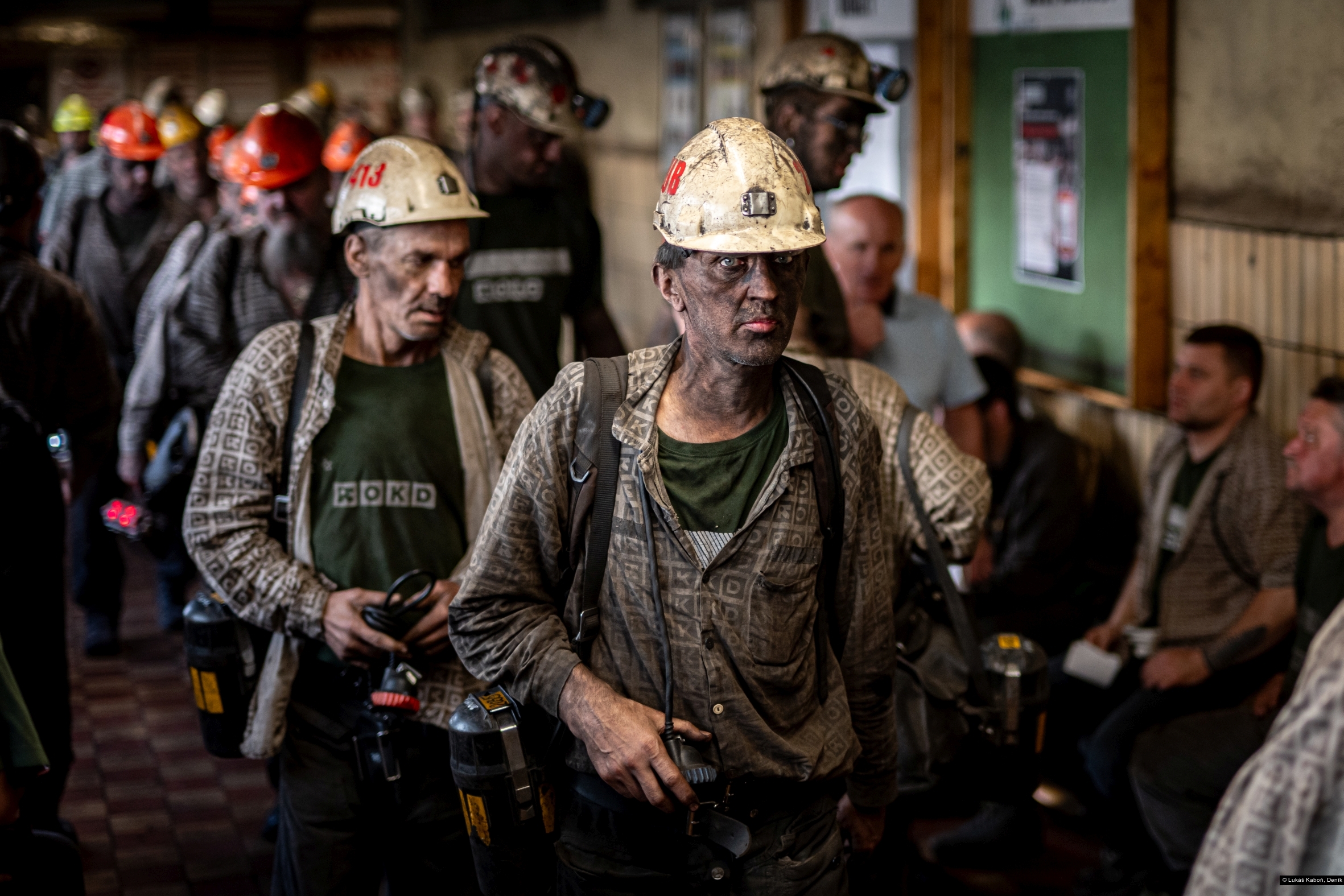
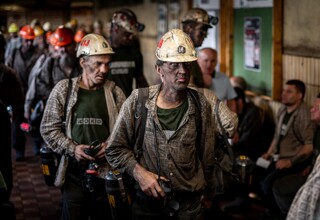
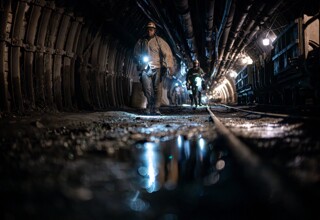
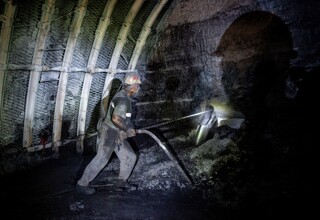
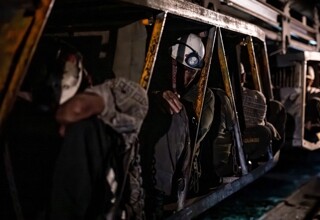
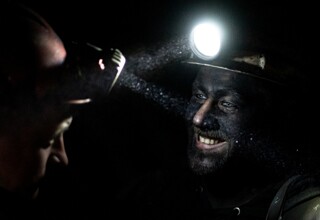
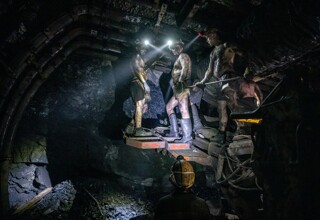
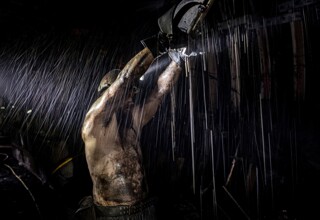
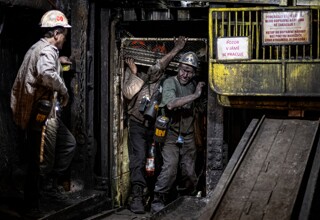
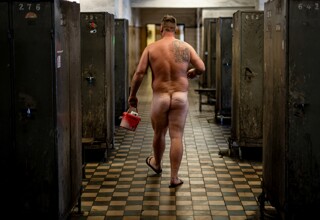
Picture description: Miner’s Work at the ČSM-Sever Mine (OKD)
Series description: The ČSM–Sever mine is the last coal mine in the Czech Republic. Miners’ work is deeply rooted in the country, especially in the Moravian-Silesian Region – Karviná. Coal has been mined continuously in this area since the end of the 18th century. However, this more than two-hundred-year story is set to end at the beginning of 2026.
Author: Lukáš Kaboň
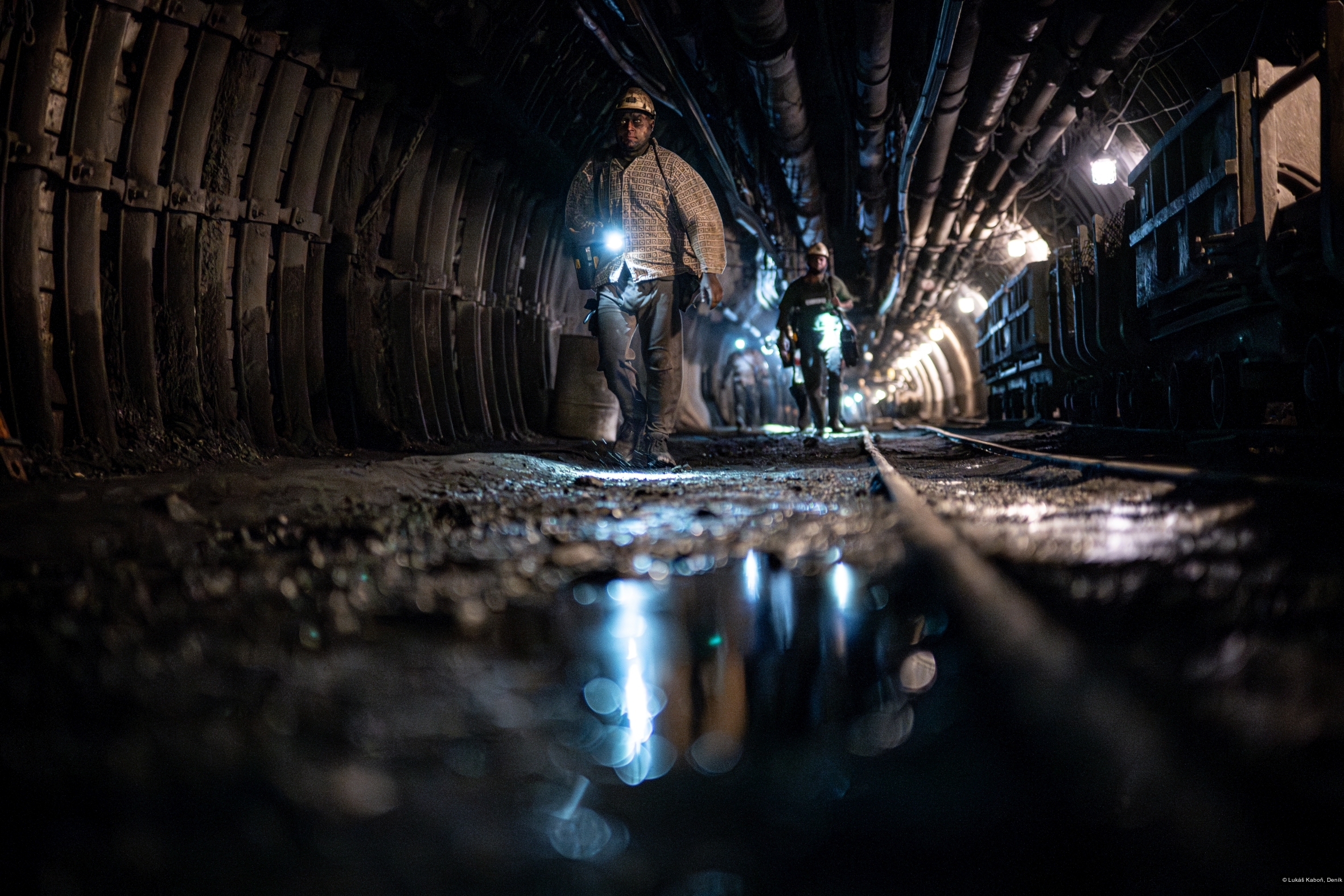
Picture description: Miner’s Work at the ČSM-Sever Mine (OKD)
Series description: The ČSM–Sever mine is the last coal mine in the Czech Republic. Miners’ work is deeply rooted in the country, especially in the Moravian-Silesian Region – Karviná. Coal has been mined continuously in this area since the end of the 18th century. However, this more than two-hundred-year story is set to end at the beginning of 2026.
Author: Lukáš Kaboň
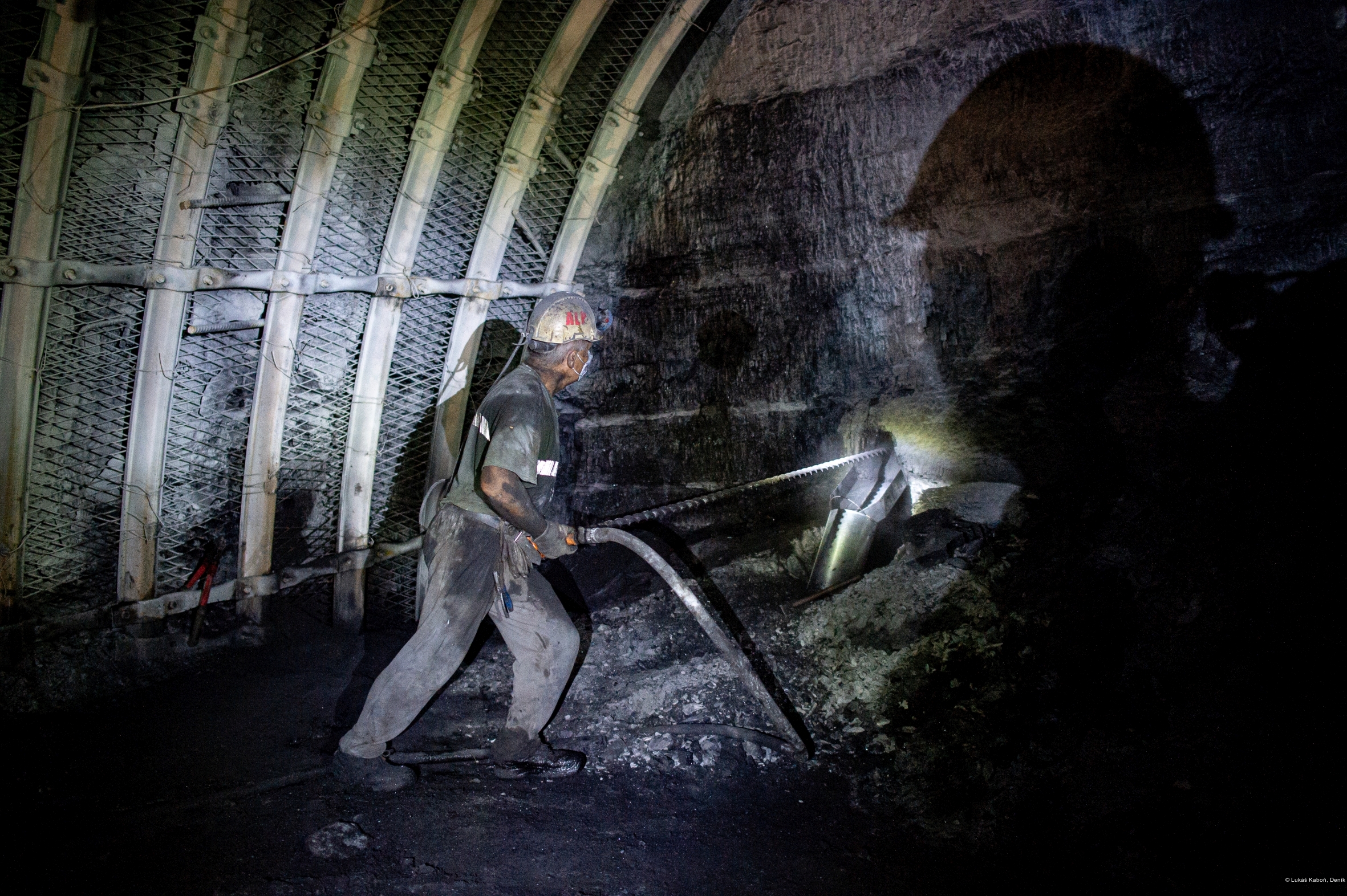
Picture description: Miner’s Work at the ČSM-Sever Mine (OKD)
Series description: The ČSM–Sever mine is the last coal mine in the Czech Republic. Miners’ work is deeply rooted in the country, especially in the Moravian-Silesian Region – Karviná. Coal has been mined continuously in this area since the end of the 18th century. However, this more than two-hundred-year story is set to end at the beginning of 2026.
Author: Lukáš Kaboň

Picture description: Miner’s Work at the ČSM-Sever Mine (OKD)
Series description: The ČSM–Sever mine is the last coal mine in the Czech Republic. Miners’ work is deeply rooted in the country, especially in the Moravian-Silesian Region – Karviná. Coal has been mined continuously in this area since the end of the 18th century. However, this more than two-hundred-year story is set to end at the beginning of 2026.
Author: Lukáš Kaboň
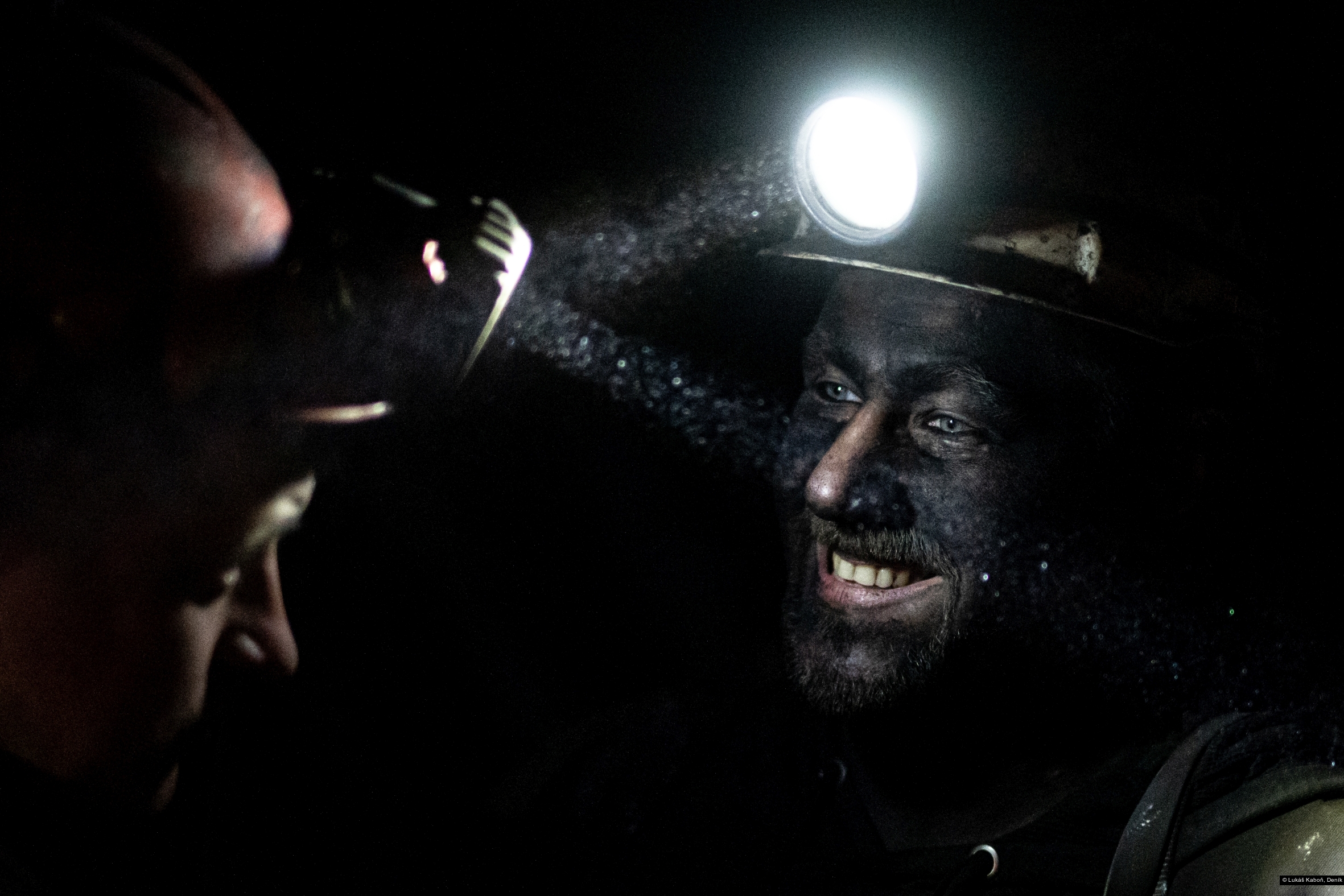
Picture description: Miner’s Work at the ČSM-Sever Mine (OKD)
Series description: The ČSM–Sever mine is the last coal mine in the Czech Republic. Miners’ work is deeply rooted in the country, especially in the Moravian-Silesian Region – Karviná. Coal has been mined continuously in this area since the end of the 18th century. However, this more than two-hundred-year story is set to end at the beginning of 2026.
Author: Lukáš Kaboň
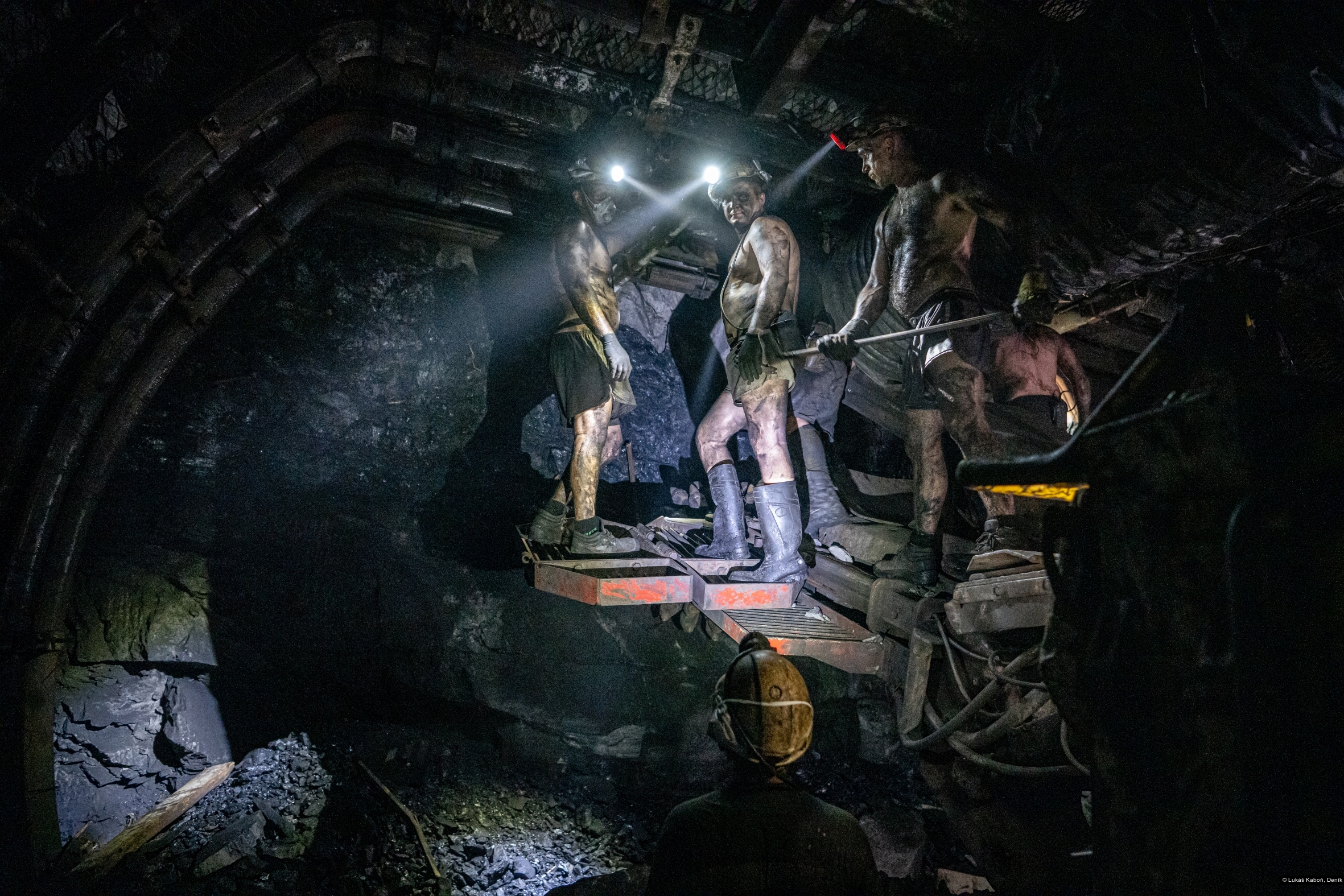
Picture description: Miner’s Work at the ČSM-Sever Mine (OKD)
Series description: The ČSM–Sever mine is the last coal mine in the Czech Republic. Miners’ work is deeply rooted in the country, especially in the Moravian-Silesian Region – Karviná. Coal has been mined continuously in this area since the end of the 18th century. However, this more than two-hundred-year story is set to end at the beginning of 2026.
Author: Lukáš Kaboň
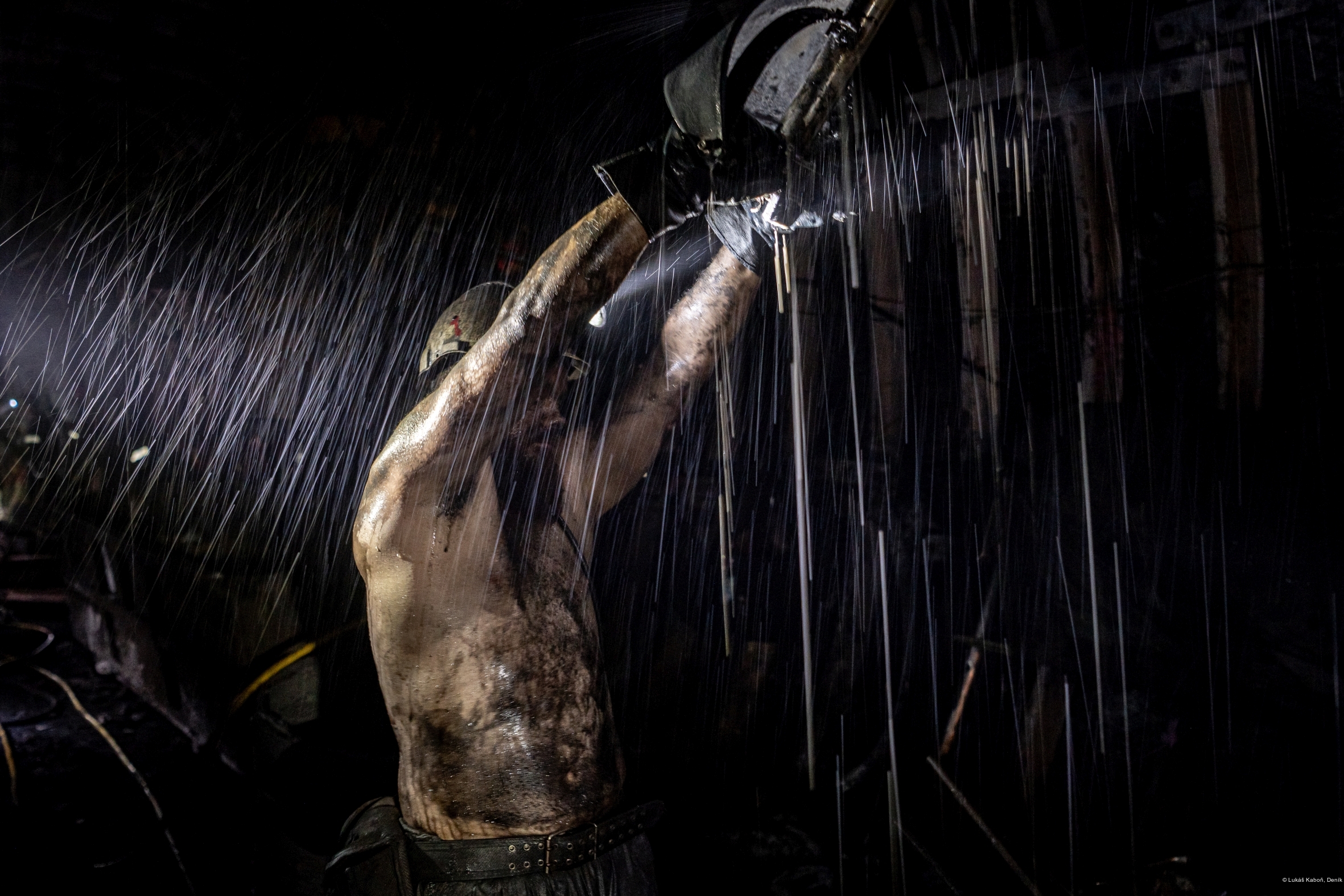
Picture description: Miner’s Work at the ČSM-Sever Mine (OKD)
Series description: The ČSM–Sever mine is the last coal mine in the Czech Republic. Miners’ work is deeply rooted in the country, especially in the Moravian-Silesian Region – Karviná. Coal has been mined continuously in this area since the end of the 18th century. However, this more than two-hundred-year story is set to end at the beginning of 2026.
Author: Lukáš Kaboň
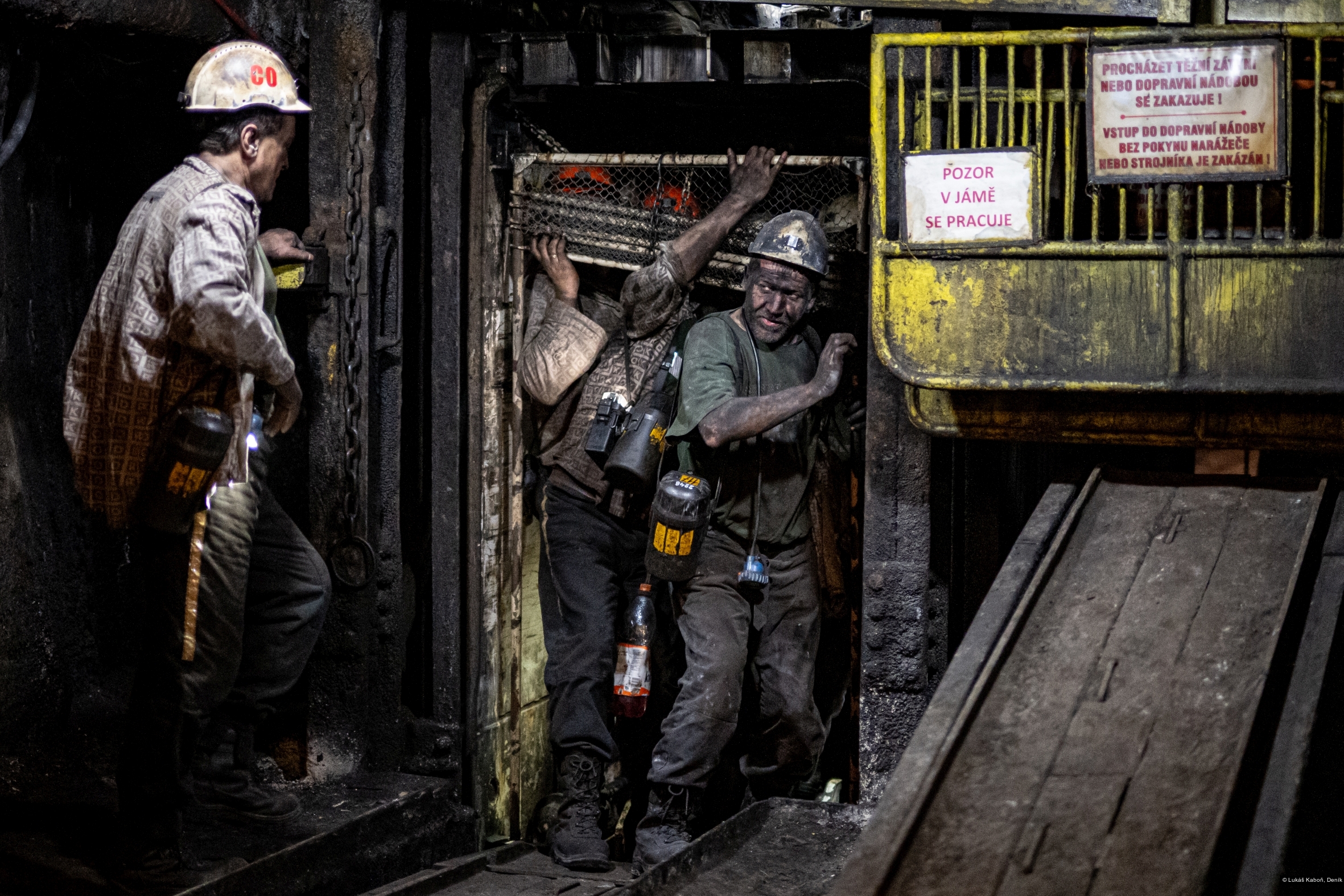
Picture description: Miner’s Work at the ČSM-Sever Mine (OKD)
Series description: The ČSM–Sever mine is the last coal mine in the Czech Republic. Miners’ work is deeply rooted in the country, especially in the Moravian-Silesian Region – Karviná. Coal has been mined continuously in this area since the end of the 18th century. However, this more than two-hundred-year story is set to end at the beginning of 2026.
Author: Lukáš Kaboň
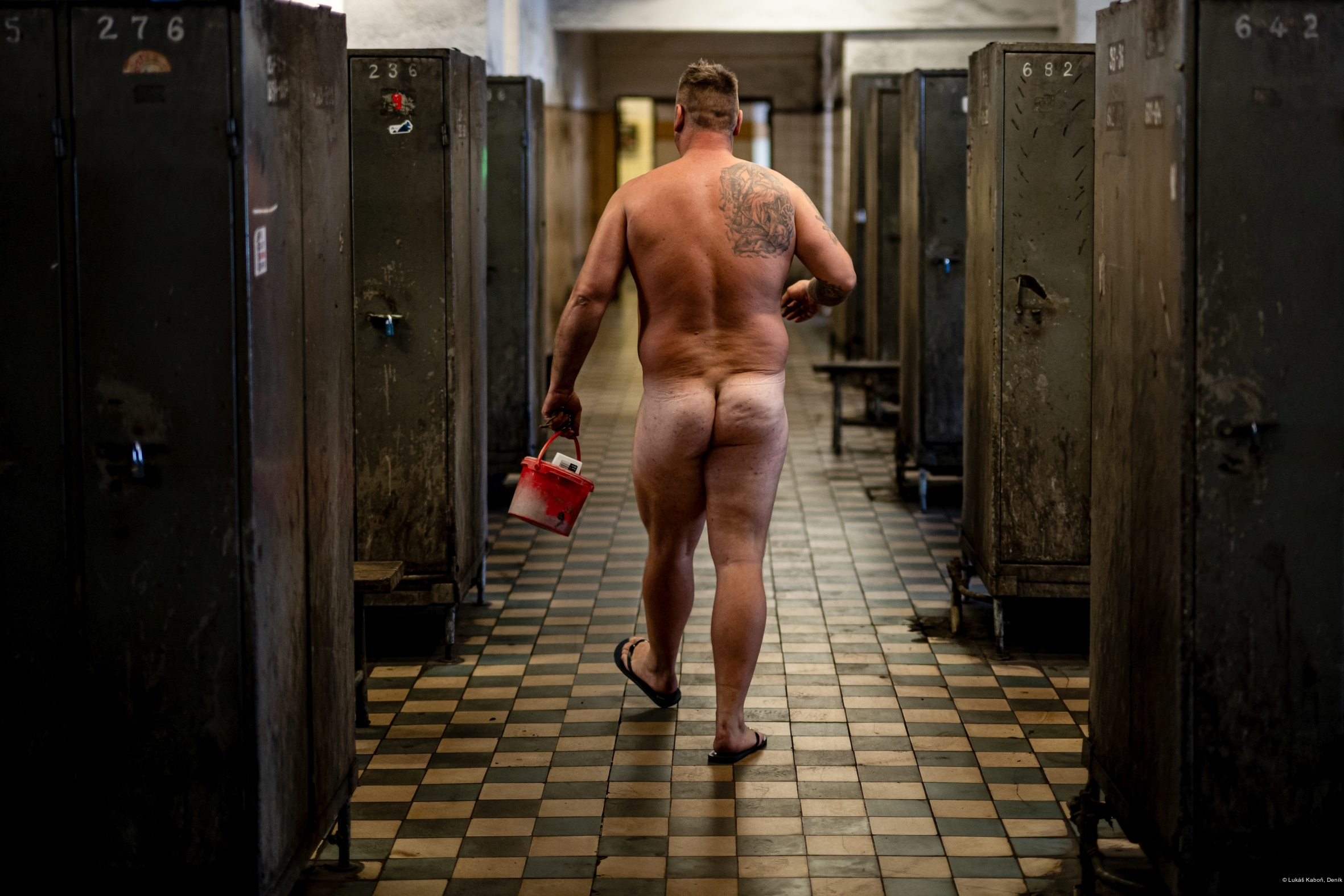
Picture description: Miner’s Work at the ČSM-Sever Mine (OKD)
Series description: The ČSM–Sever mine is the last coal mine in the Czech Republic. Miners’ work is deeply rooted in the country, especially in the Moravian-Silesian Region – Karviná. Coal has been mined continuously in this area since the end of the 18th century. However, this more than two-hundred-year story is set to end at the beginning of 2026.
Author: Lukáš Kaboň
DALŠÍ OCENĚNÍ
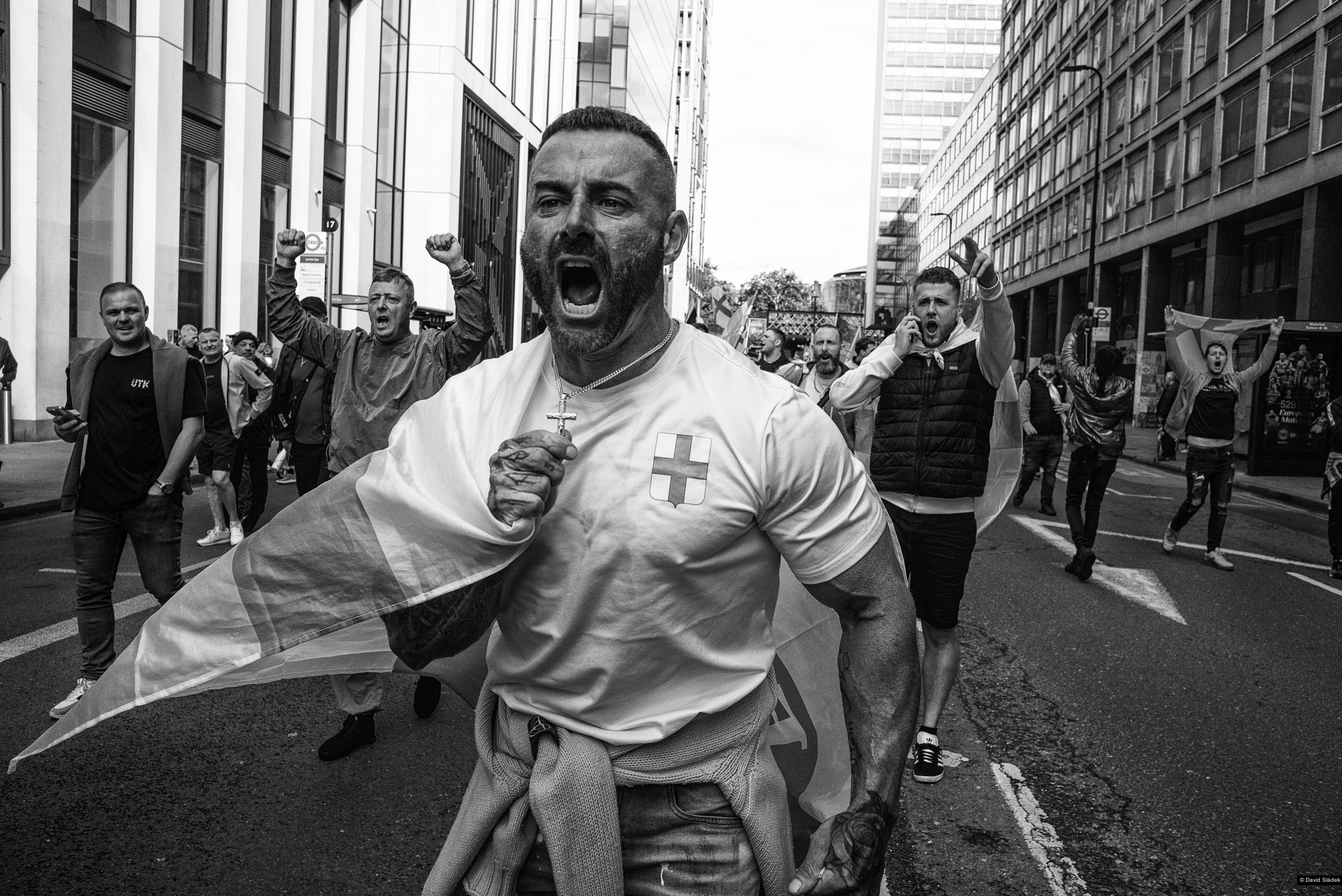
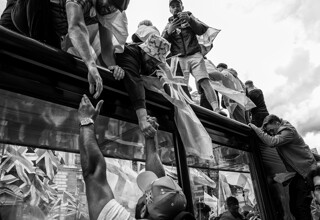
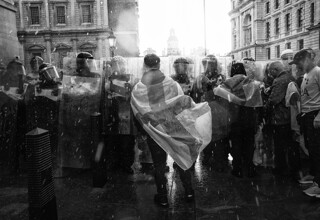
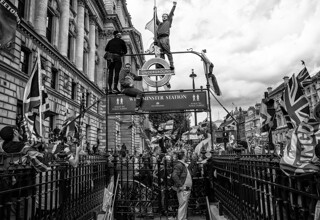
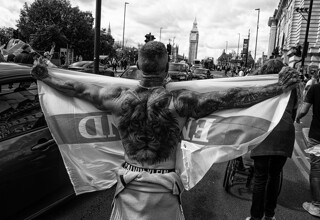
Picture description: Unite the Kingdom Anti-Immigration Rally in London
Series description: About 150,000 people joined the Unite the Kingdom rally organized by anti-Islam far-right activist Tommy Robinson (real name Stephen Christopher Yaxley-Lennon). The protest was the culmination of a summer of increased anti-immigration sentiment across the UK, where far-right groups were targeting hotels housing immigrants and thousands of St George’s crosses and flags lined British streets.
Author: David Sládek
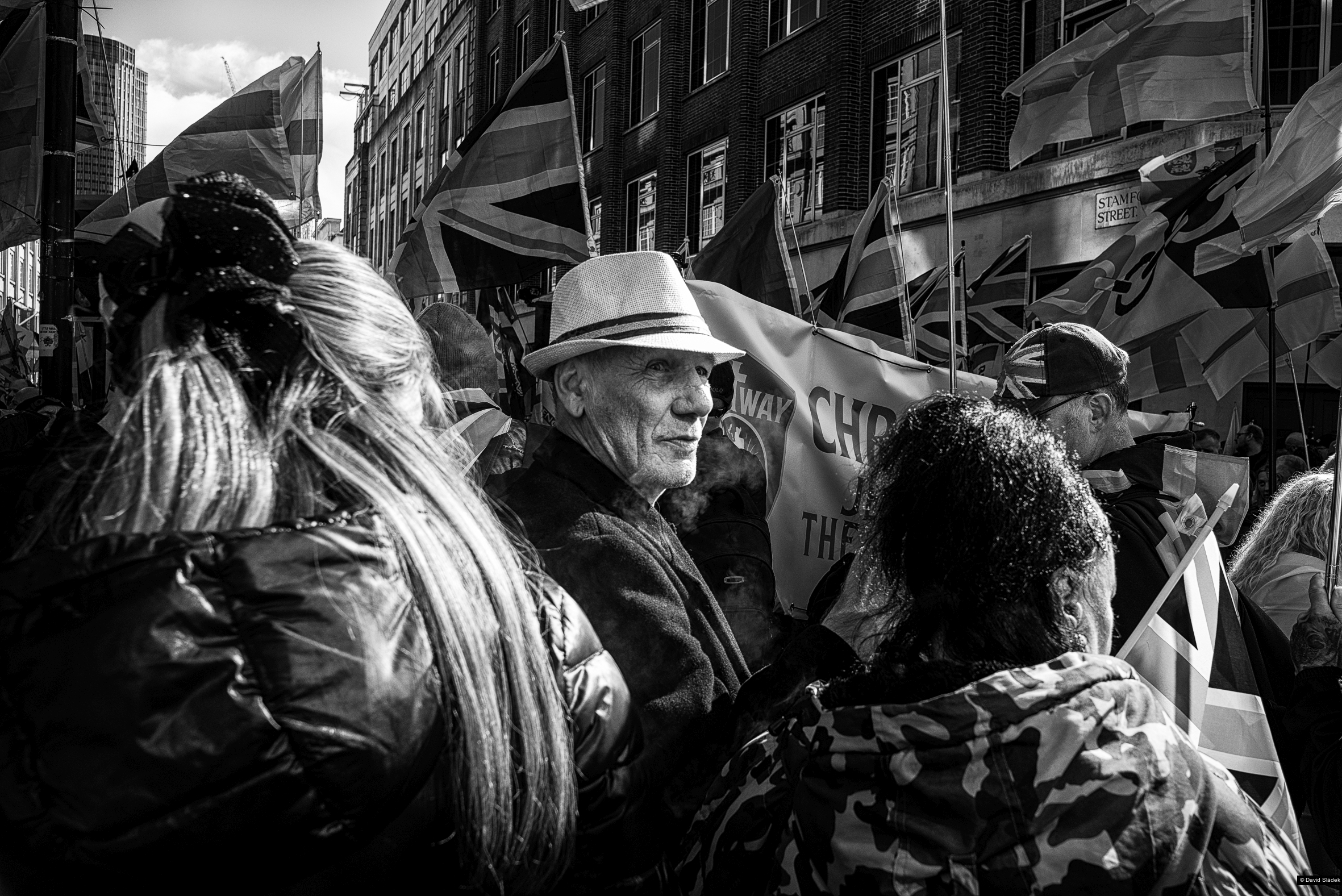
Picture description: Unite the Kingdom Anti-Immigration Rally in London
Series description: About 150,000 people joined the Unite the Kingdom rally organized by anti-Islam far-right activist Tommy Robinson (real name Stephen Christopher Yaxley-Lennon). The protest was the culmination of a summer of increased anti-immigration sentiment across the UK, where far-right groups were targeting hotels housing immigrants and thousands of St George’s crosses and flags lined British streets.
Author: David Sládek
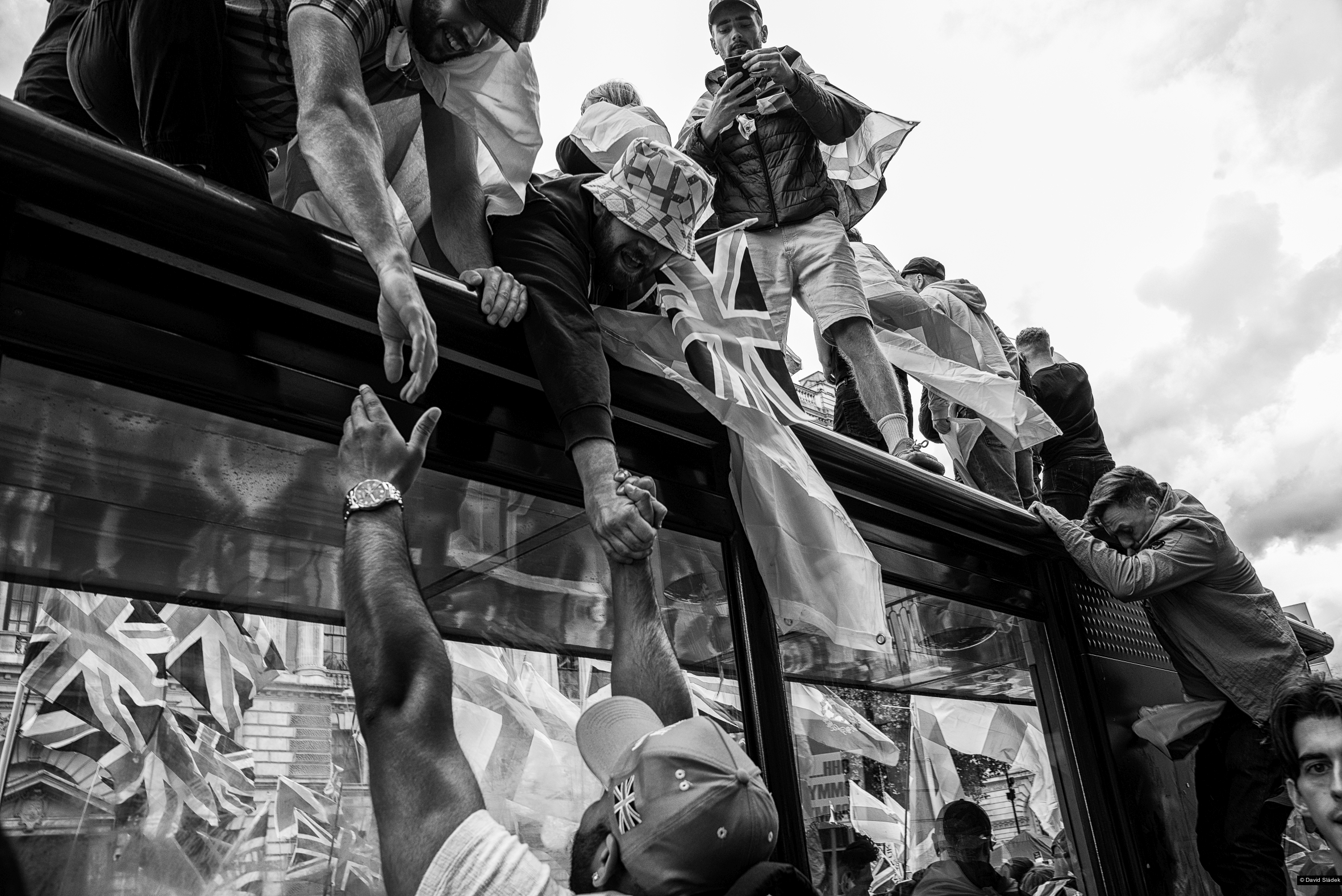
Picture description: Unite the Kingdom Anti-Immigration Rally in London
Series description: About 150,000 people joined the Unite the Kingdom rally organized by anti-Islam far-right activist Tommy Robinson (real name Stephen Christopher Yaxley-Lennon). The protest was the culmination of a summer of increased anti-immigration sentiment across the UK, where far-right groups were targeting hotels housing immigrants and thousands of St George’s crosses and flags lined British streets.
Author: David Sládek
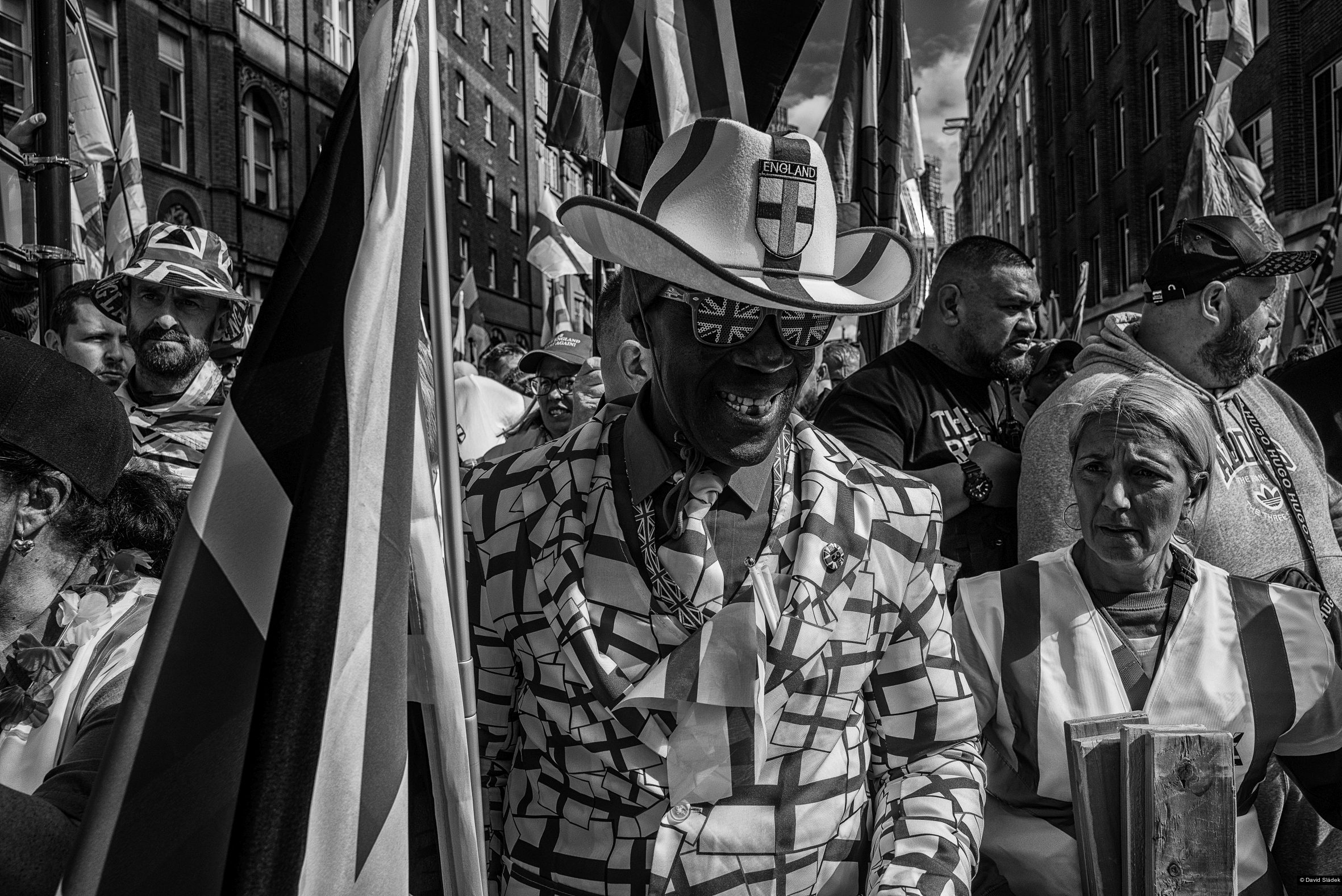
Picture description: Unite the Kingdom Anti-Immigration Rally in London
Series description: About 150,000 people joined the Unite the Kingdom rally organized by anti-Islam far-right activist Tommy Robinson (real name Stephen Christopher Yaxley-Lennon). The protest was the culmination of a summer of increased anti-immigration sentiment across the UK, where far-right groups were targeting hotels housing immigrants and thousands of St George’s crosses and flags lined British streets.
Author: David Sládek
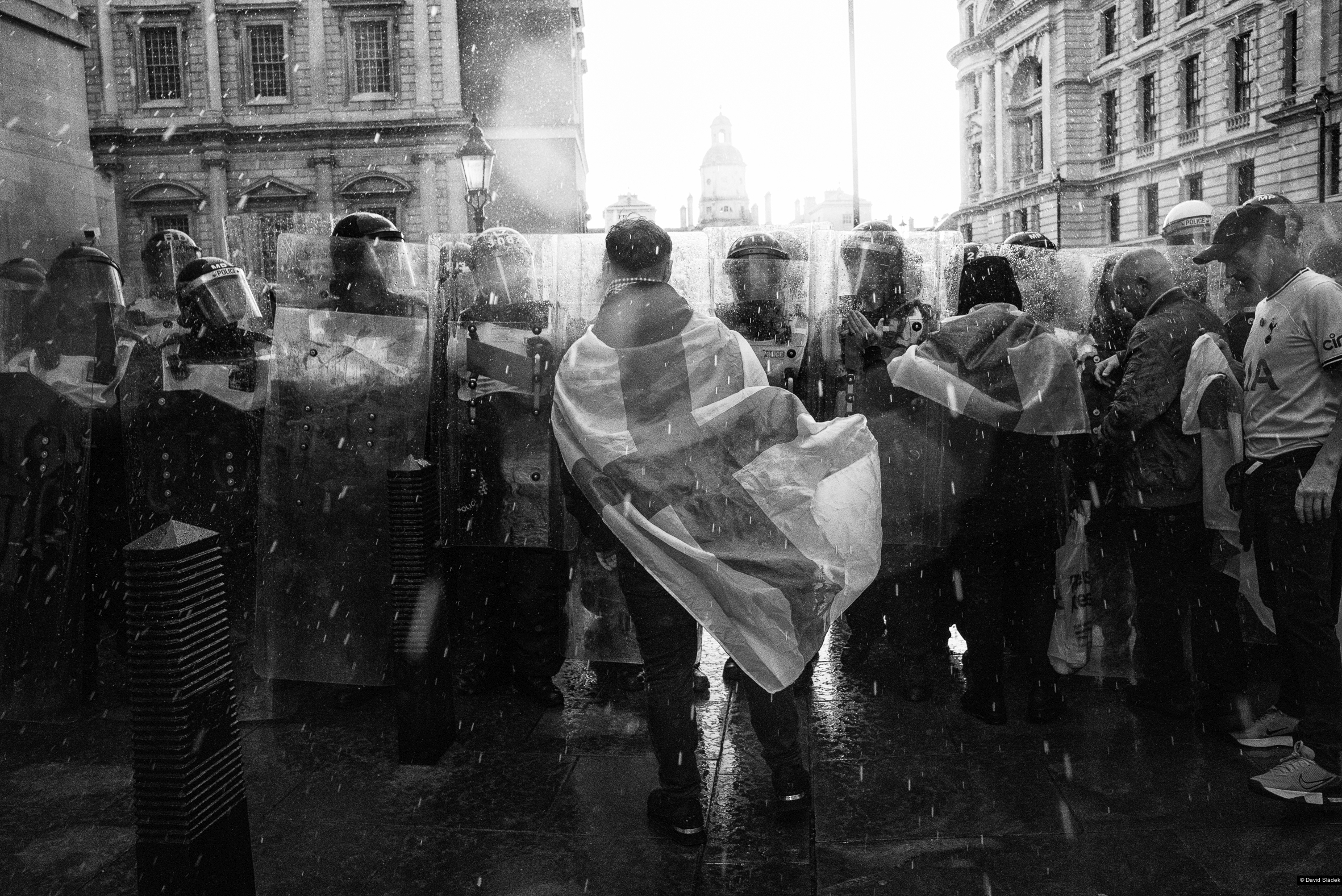
Picture description: Unite the Kingdom Anti-Immigration Rally in London
Series description: About 150,000 people joined the Unite the Kingdom rally organized by anti-Islam far-right activist Tommy Robinson (real name Stephen Christopher Yaxley-Lennon). The protest was the culmination of a summer of increased anti-immigration sentiment across the UK, where far-right groups were targeting hotels housing immigrants and thousands of St George’s crosses and flags lined British streets.
Author: David Sládek
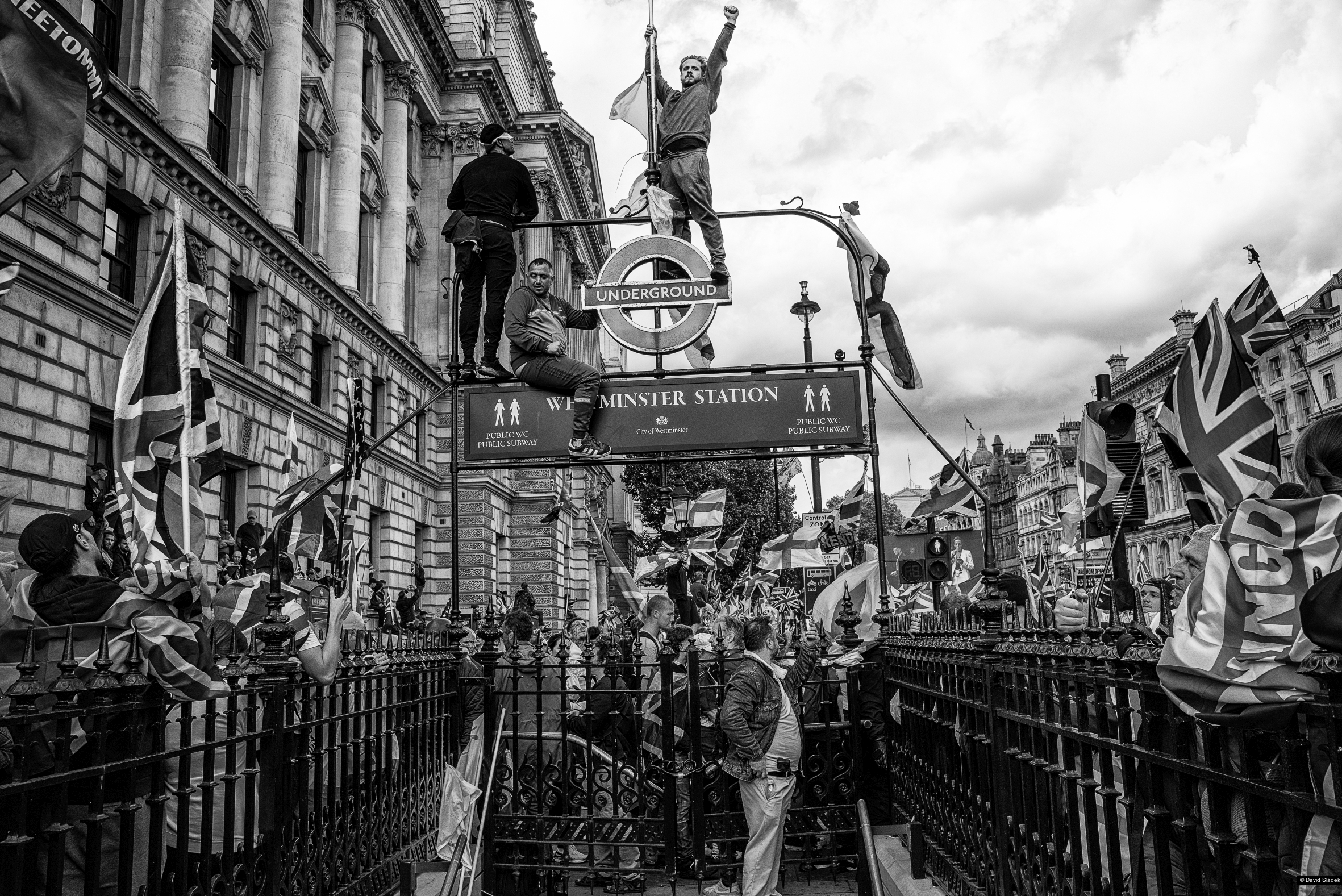
Picture description: Unite the Kingdom Anti-Immigration Rally in London
Series description: About 150,000 people joined the Unite the Kingdom rally organized by anti-Islam far-right activist Tommy Robinson (real name Stephen Christopher Yaxley-Lennon). The protest was the culmination of a summer of increased anti-immigration sentiment across the UK, where far-right groups were targeting hotels housing immigrants and thousands of St George’s crosses and flags lined British streets.
Author: David Sládek
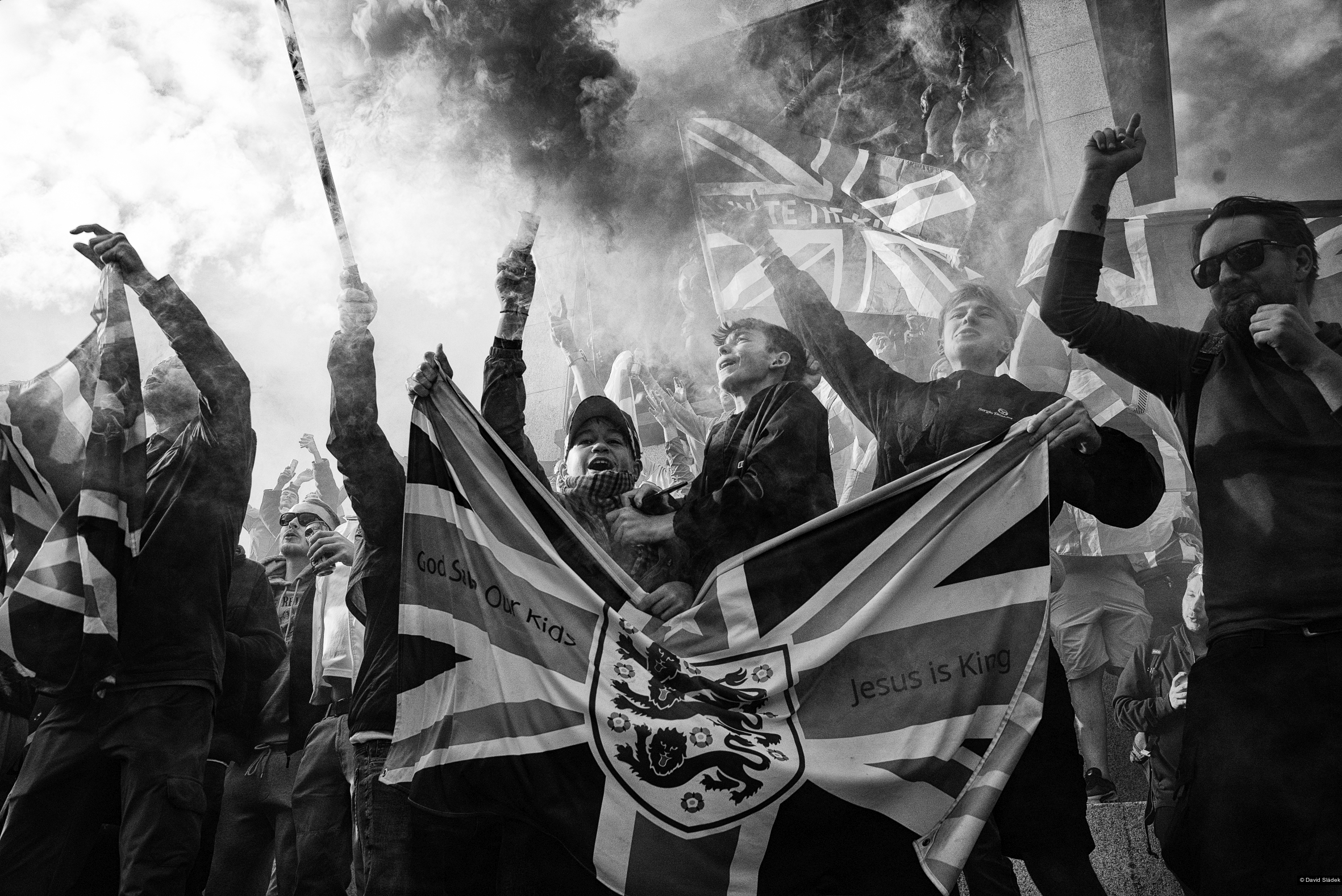
Picture description: Unite the Kingdom Anti-Immigration Rally in London
Series description: About 150,000 people joined the Unite the Kingdom rally organized by anti-Islam far-right activist Tommy Robinson (real name Stephen Christopher Yaxley-Lennon). The protest was the culmination of a summer of increased anti-immigration sentiment across the UK, where far-right groups were targeting hotels housing immigrants and thousands of St George’s crosses and flags lined British streets.
Author: David Sládek
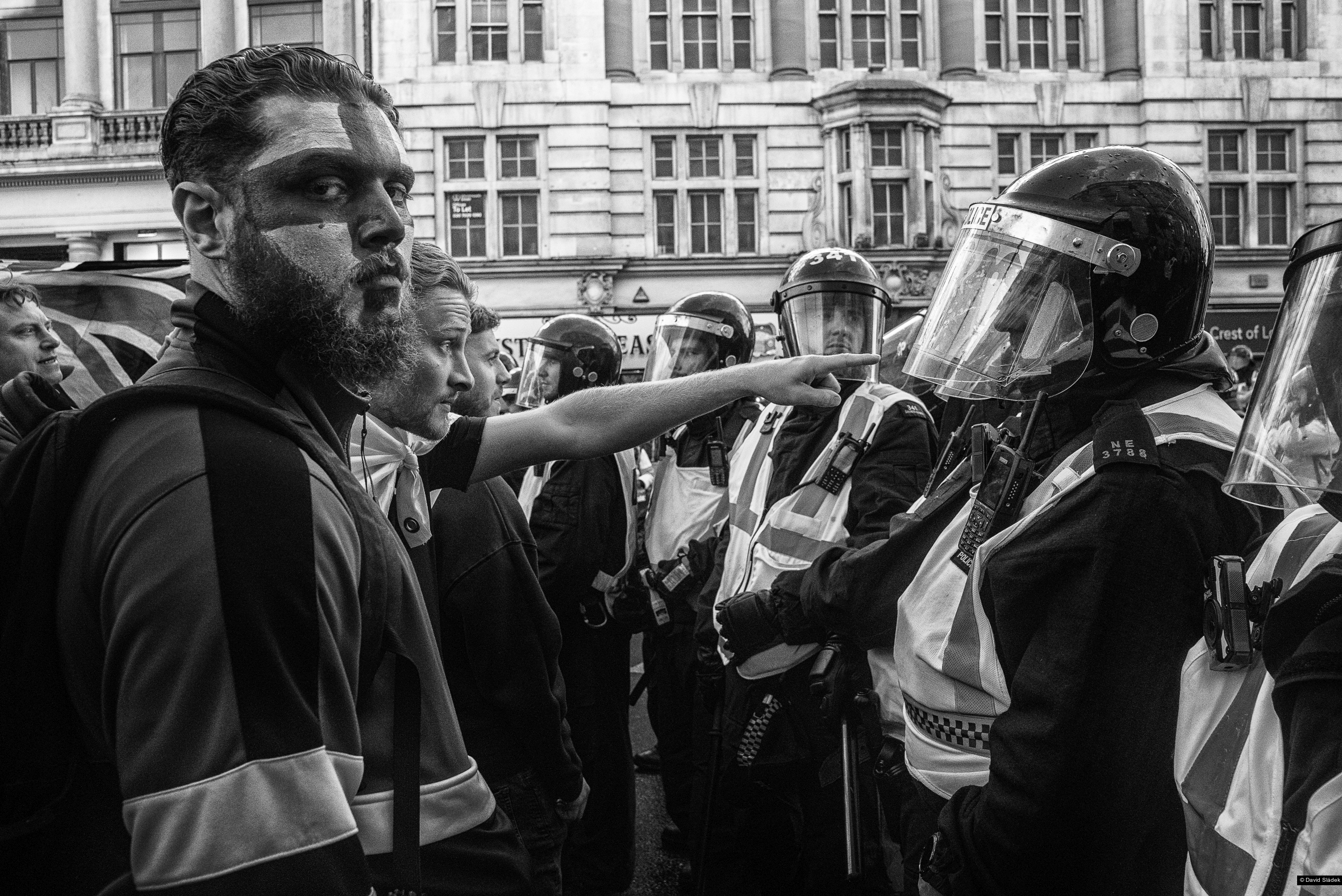
Picture description: Unite the Kingdom Anti-Immigration Rally in London
Series description: About 150,000 people joined the Unite the Kingdom rally organized by anti-Islam far-right activist Tommy Robinson (real name Stephen Christopher Yaxley-Lennon). The protest was the culmination of a summer of increased anti-immigration sentiment across the UK, where far-right groups were targeting hotels housing immigrants and thousands of St George’s crosses and flags lined British streets.
Author: David Sládek
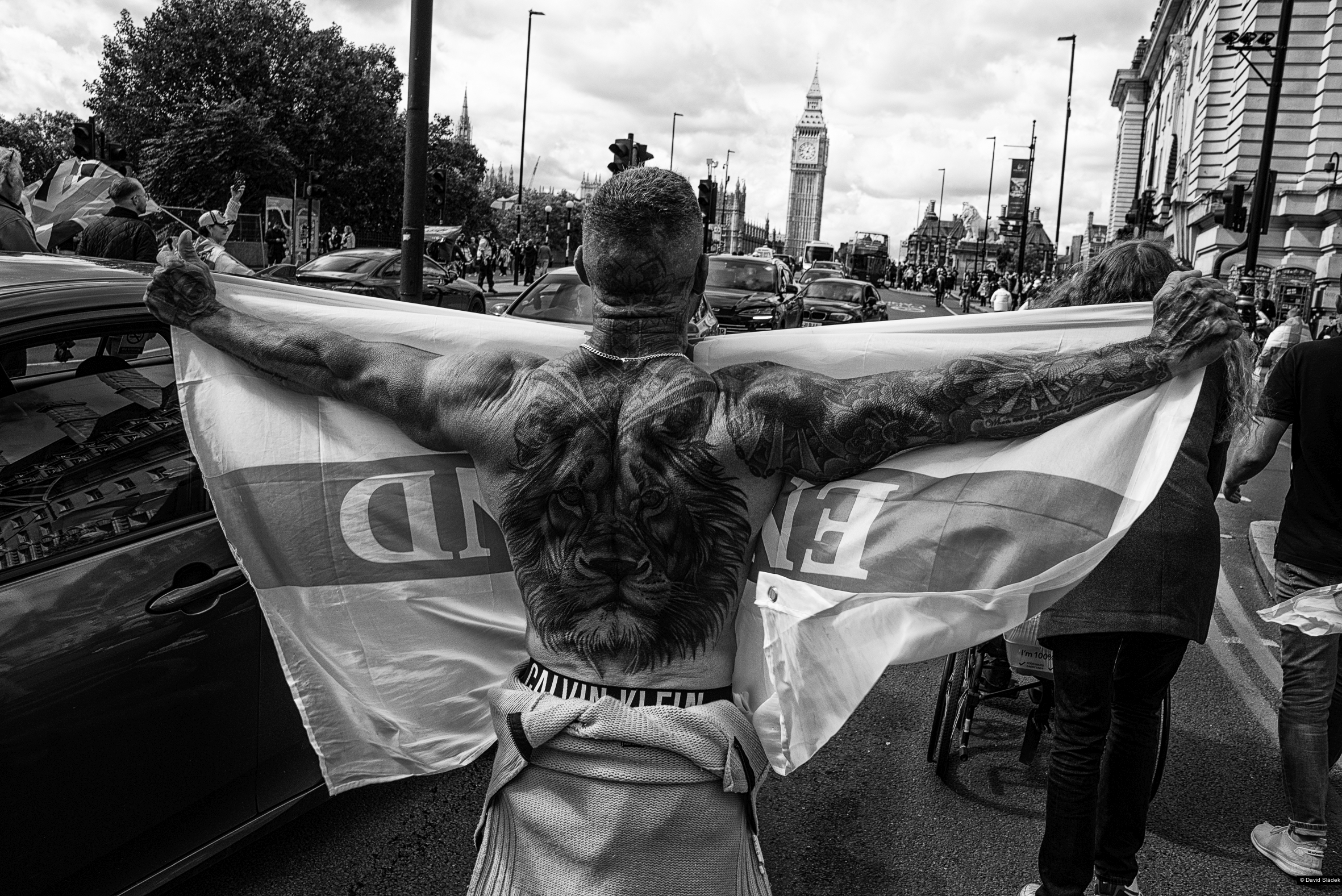
Picture description: Unite the Kingdom Anti-Immigration Rally in London
Series description: About 150,000 people joined the Unite the Kingdom rally organized by anti-Islam far-right activist Tommy Robinson (real name Stephen Christopher Yaxley-Lennon). The protest was the culmination of a summer of increased anti-immigration sentiment across the UK, where far-right groups were targeting hotels housing immigrants and thousands of St George’s crosses and flags lined British streets.
Author: David Sládek



DALŠÍ OCENĚNÍ
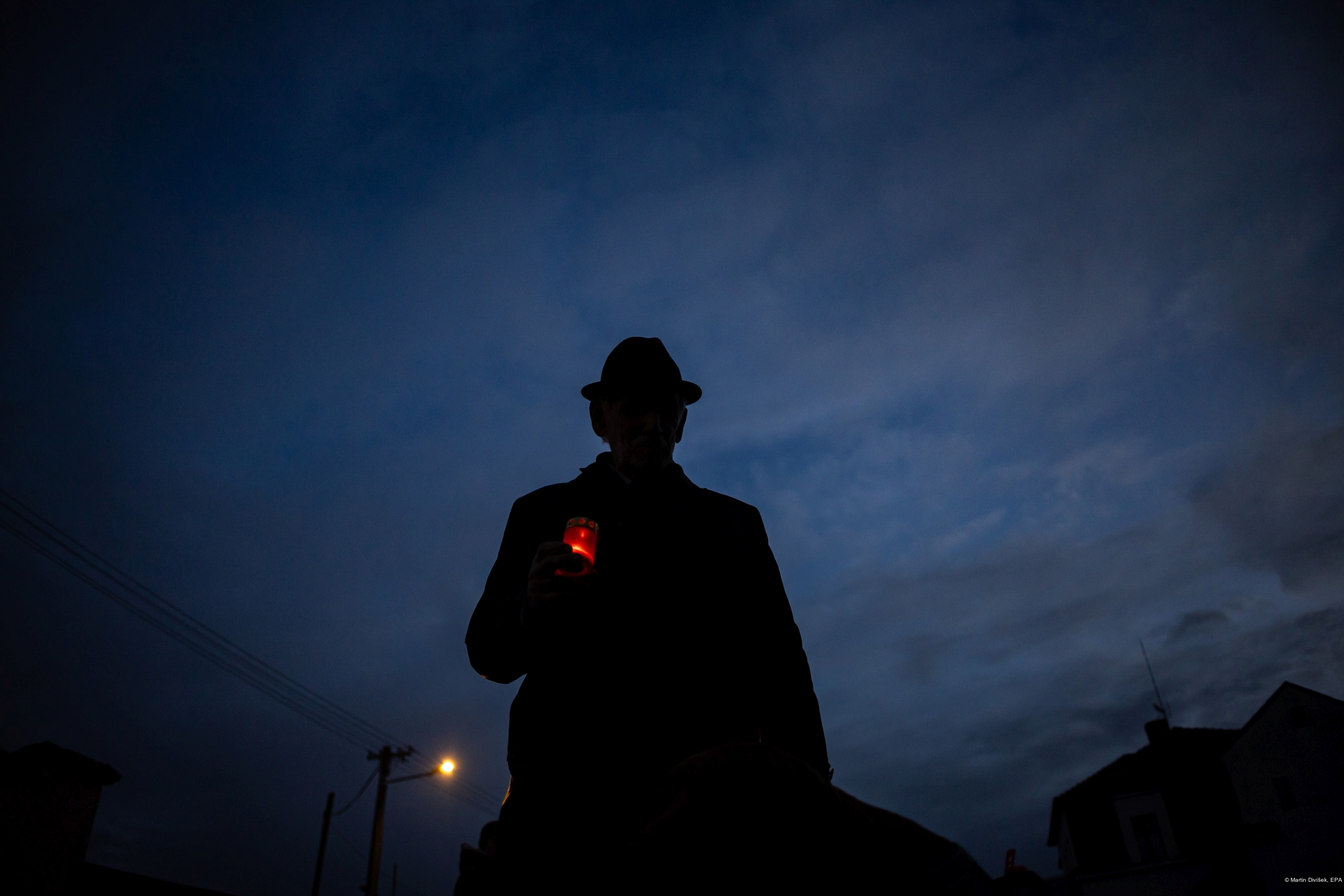
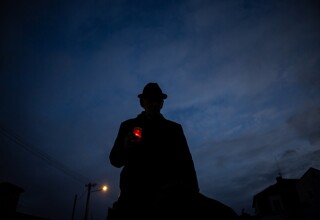
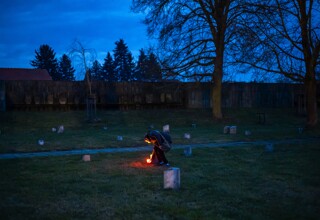
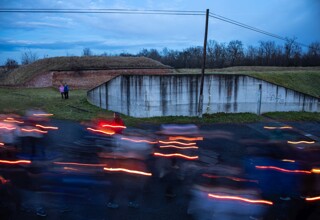
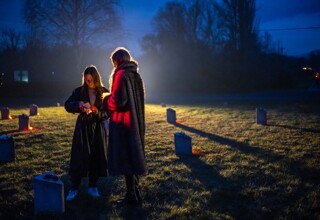
Picture description: International Holocaust Remembrance Day in Terezín
Series description: During World War II, Terezín held about 155,000 Czech Jews; around 35,000 died there and 87,000 were deported. January 27, the day Auschwitz was liberated in 1945, is observed worldwide as International Holocaust Remembrance Day to honor Holocaust victims.
Author: Martin Divíšek
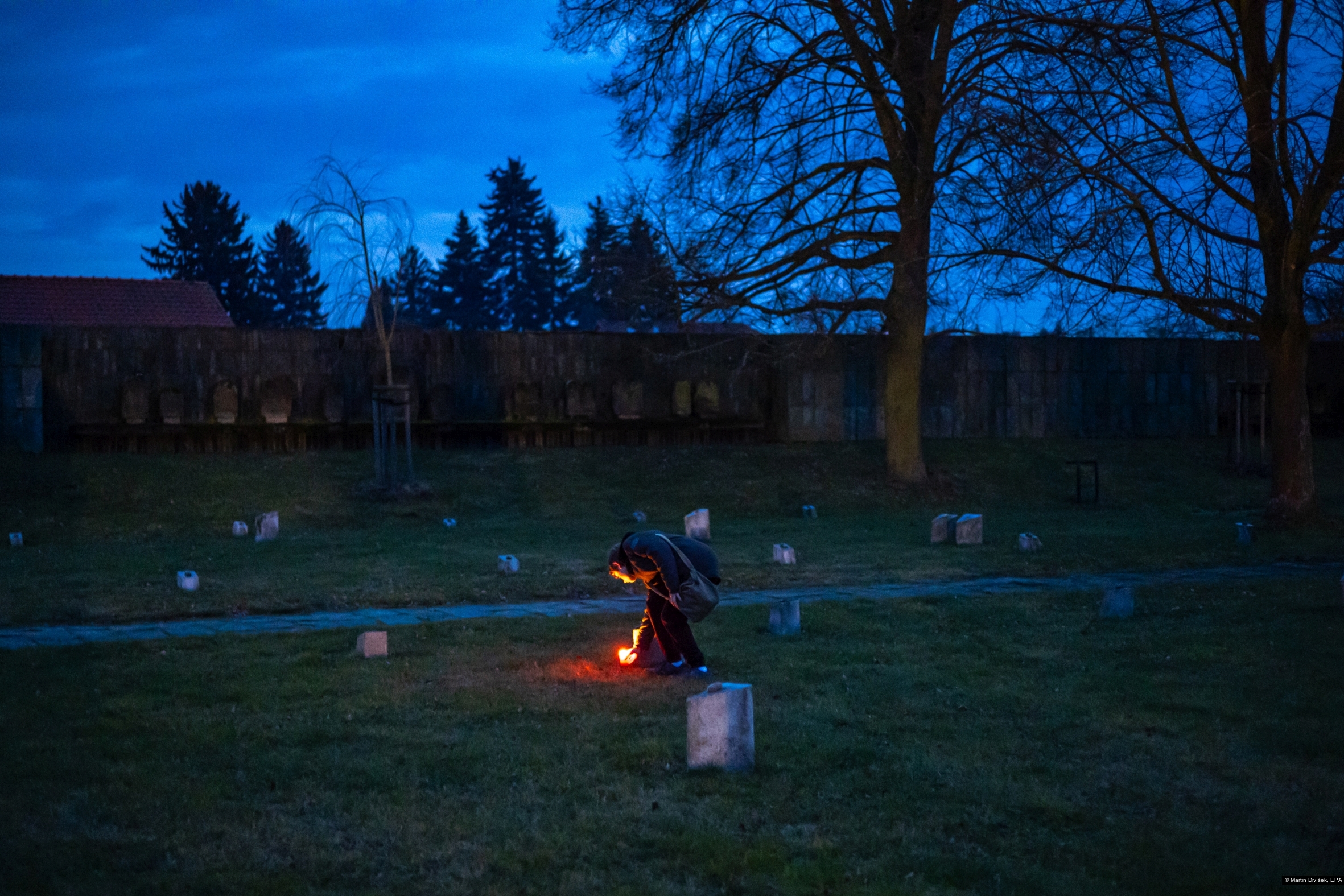
Picture description: International Holocaust Remembrance Day in Terezín
Series description: During World War II, Terezín held about 155,000 Czech Jews; around 35,000 died there and 87,000 were deported. January 27, the day Auschwitz was liberated in 1945, is observed worldwide as International Holocaust Remembrance Day to honor Holocaust victims.
Author: Martin Divíšek
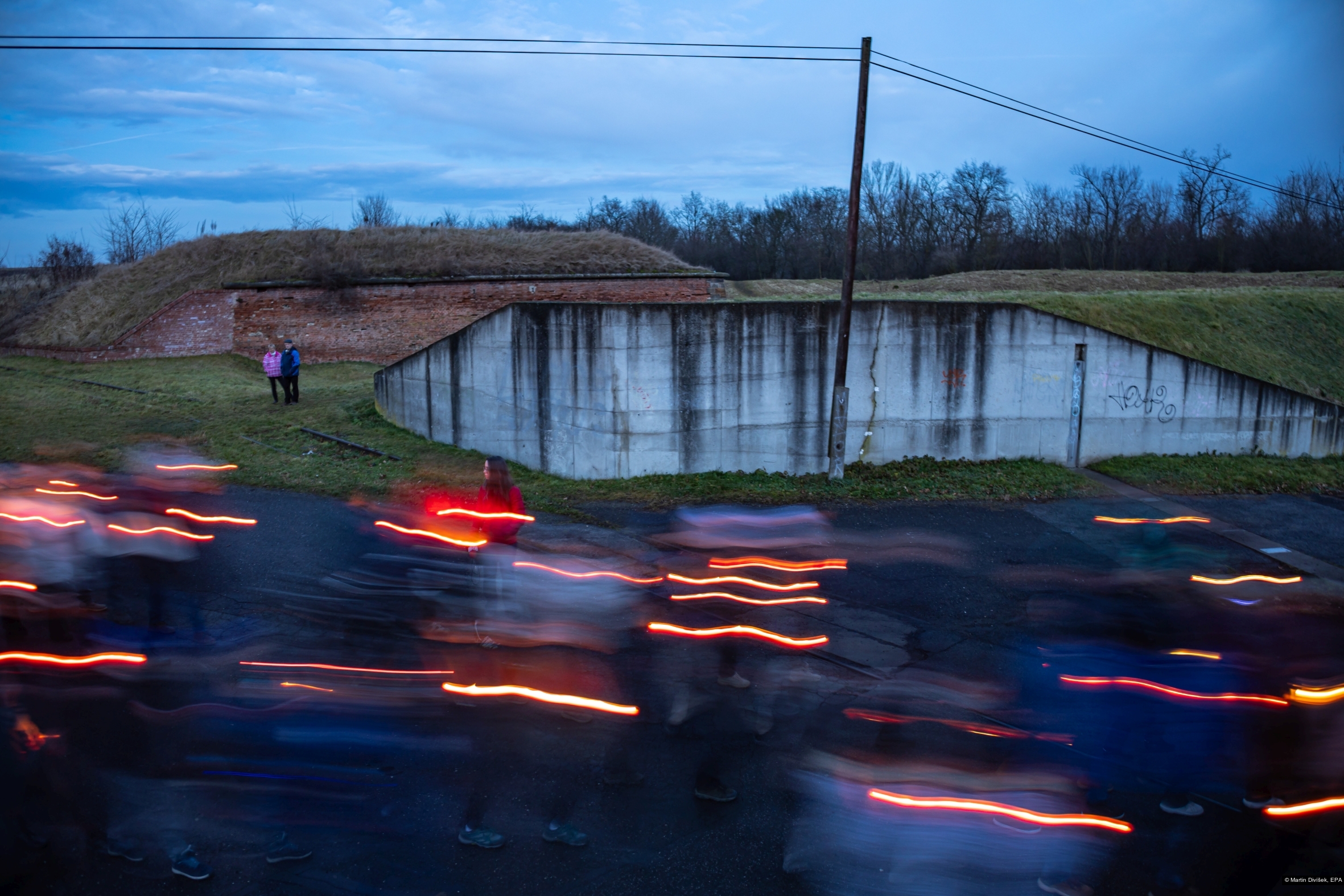
Picture description: International Holocaust Remembrance Day in Terezín
Series description: During World War II, Terezín held about 155,000 Czech Jews; around 35,000 died there and 87,000 were deported. January 27, the day Auschwitz was liberated in 1945, is observed worldwide as International Holocaust Remembrance Day to honor Holocaust victims.
Author: Martin Divíšek

Picture description: International Holocaust Remembrance Day in Terezín
Series description: During World War II, Terezín held about 155,000 Czech Jews; around 35,000 died there and 87,000 were deported. January 27, the day Auschwitz was liberated in 1945, is observed worldwide as International Holocaust Remembrance Day to honor Holocaust victims.
Author: Martin Divíšek
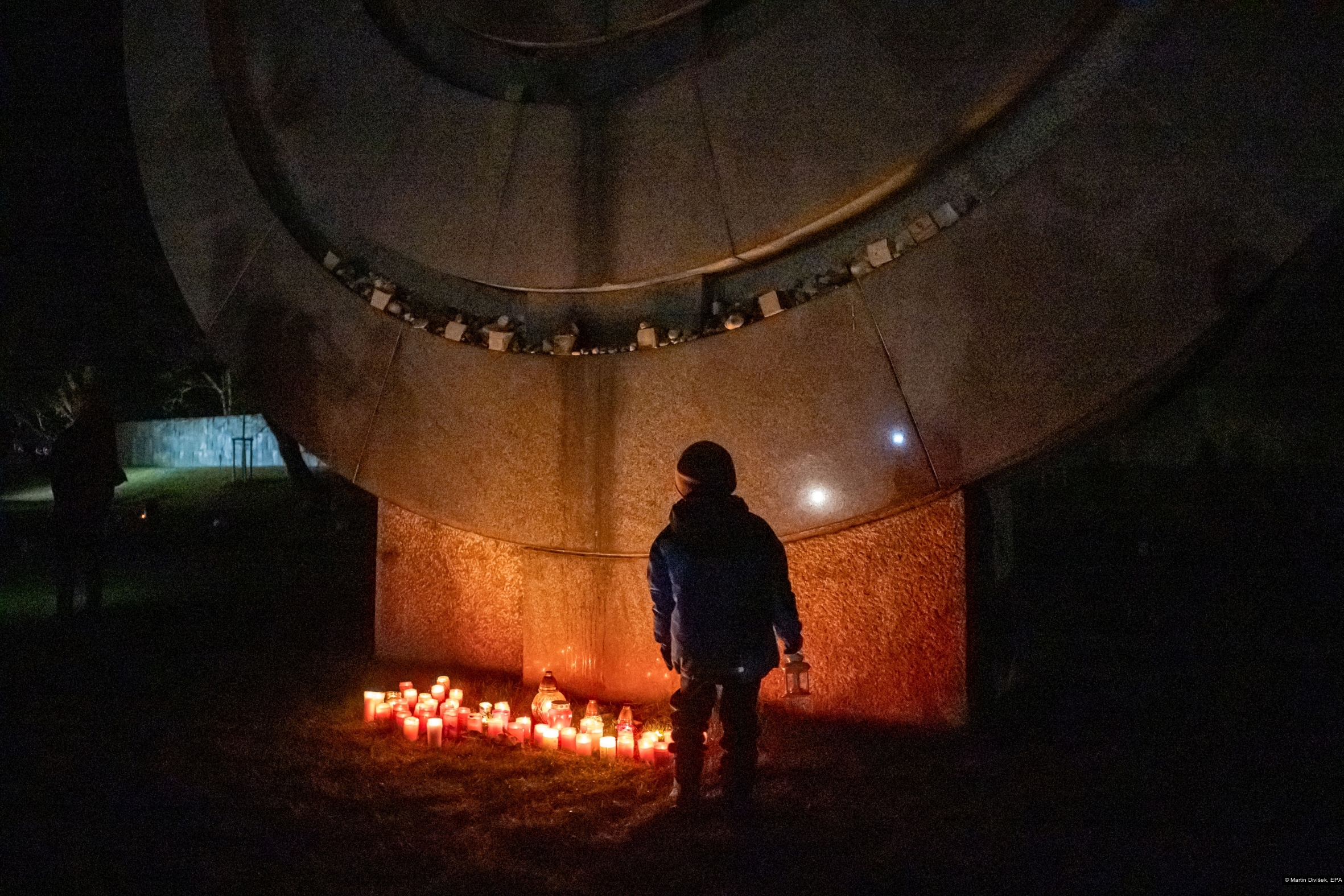
Picture description: International Holocaust Remembrance Day in Terezín
Series description: During World War II, Terezín held about 155,000 Czech Jews; around 35,000 died there and 87,000 were deported. January 27, the day Auschwitz was liberated in 1945, is observed worldwide as International Holocaust Remembrance Day to honor Holocaust victims.
Author: Martin Divíšek